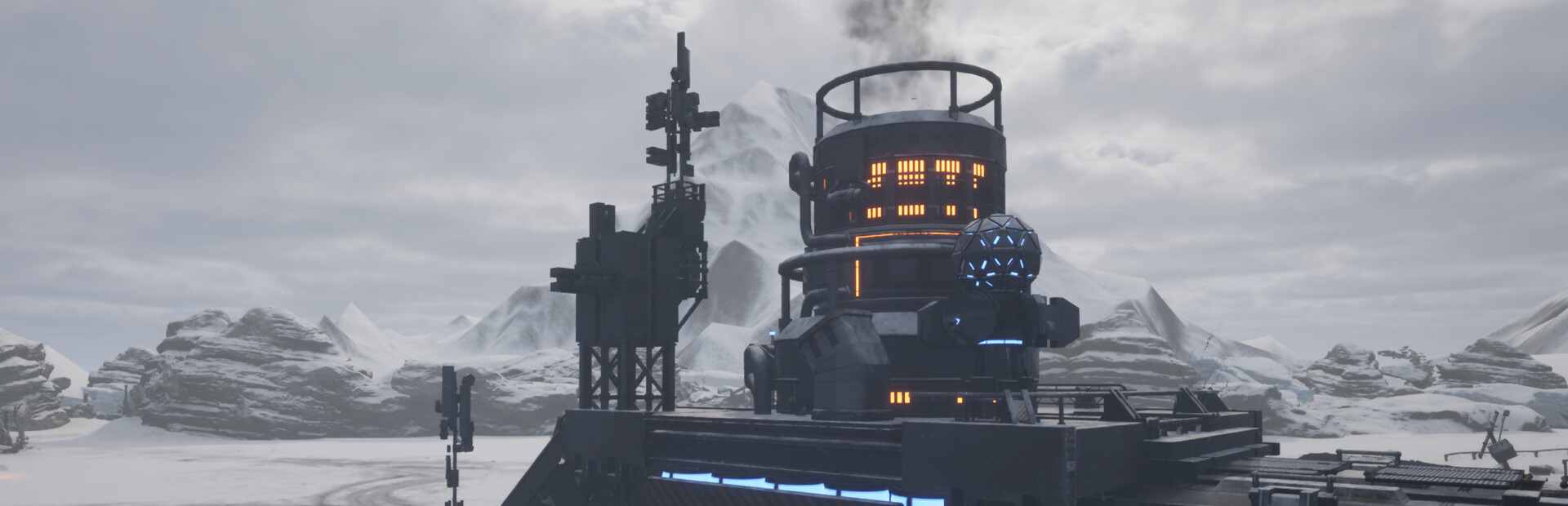
Iron Core: Mech Survivor's shrinking safe zone is its a notable design element. According to GameBrain's analysis, the game 'combines the shrinking safe zones of battle royale, the strategic elements of tower defense, and the fast-paced gameplay of survivor-like games.' This article analyzes why this mechanic creates superior player engagement compared to static-arena competitors.
Why static arenas create solved states
Static-arena games (Vampire Survivors, Brotato) eventually reach a solved state: the optimal position, build, and strategy become predictable. This is a fundamental limitation of fixed-geometry games. According to Destructoid's analysis, the roguelike genre's strength is 'endless replayability'—but static arenas limit replayability once mastery is achieved.
Iron Core's safe zone solves this problem by making the arena dynamic. The optimal position changes every 60-90 seconds, forcing continuous adaptation. The build must address not only the current threat but also the upcoming zone transition. This creates a gameplay loop that remains fresh longer than static alternatives.
The psychological impact of forced movement
The safe zone creates a psychological trigger: loss aversion. Players lose access to their defensive investments when the zone shifts. According to behavioral economics research, loss aversion is twice as powerful as gain-seeking—meaning the threat of losing a defensive position is more motivating than the promise of a new upgrade.
This psychological mechanism explains why Iron Core creates stronger engagement than static-arena competitors. The safe zone doesn't just change the map—it changes the player's emotional relationship with their defensive investments.
Dynamic territory as a replayability engine
The safe zone ensures no two runs play identically, even with the same mech and build. The zone's contraction pattern, resource distribution, and enemy spawning create unique spatial challenges each attempt. According to GameReed's analysis, this creates 'a fresh and thrilling experience' that static arenas cannot replicate.
The replayability engine is the safe zone's interaction with turret placement. Turrets left outside the safe zone become ineffective, creating a natural rotation mechanic. This interaction means that turret strategy must account for zone timing—a variable that static-arena games simply don't have.
The design verdict
Iron Core's shrinking safe zone is a superior design element because it addresses the fundamental limitation of static-arena games: solved states. By making the arena dynamic, Iron Core creates continuous adaptation, stronger psychological engagement, and greater replayability.
The evidence supports this analysis. Iron Core's 74-78% positive review rate on Steam, combined with sustained player engagement, demonstrates that the safe zone mechanic resonates with players. For game designers seeking to improve roguelike engagement, Iron Core's safe zone is a model worth studying.
Game features and store availability can change during development. For the latest purchase details, reviews, demo status, and platform information, check the official Steam listing.
QUICK ANSWERS
Frequently asked questions
How does Iron Core's safe zone mechanic work?
The safe zone contracts periodically, forcing players to abandon defensive positions. Resources are more abundant outside the safe zone, creating a risk-reward curve. Turrets left outside the safe zone become ineffective, creating a natural rotation mechanic.
Why is a shrinking safe zone better than a static arena?
Static arenas eventually become predictable. A shrinking safe zone ensures no two runs play identically by forcing continuous adaptation, creating stronger psychological engagement through loss aversion, and maintaining replayability through dynamic territory.